Search "Knoxville median home price" this week and you will land on six different numbers, sitting anywhere from the low $300,000s to the mid-$400,000s. None of these numbers is wrong. They are just measuring different things, and if you are comparing Knoxville against a lake property in Dandridge or a cabin in the Smokies, the gap between those numbers is exactly the kind of detail that changes whether a house looks like a deal or a stretch.
Here is what shows up on the major trackers this summer. Zillow's home value index put the average Knoxville home at $376,648 as of June 30, 2026, up 1.0 percent over the past year, with homes going to pending in about 16 days. Redfin's data for the three months ending April 2026 shows a median sold price of $320,000, up 3.4 percent year over year, with homes taking 57 days to sell on average. Movoto's August 2026 snapshot lists a median asking price of $415,000. A flat-fee MLS platform's April 2026 figures put the median sold price at $401,000, down slightly from the year before. A Knox County agent's March 2026 market update reported a median of $390,000 with a 98.75 percent sale-to-list ratio. A year-end regional review covering December 2025 showed the median sold price dipping to $380,000 for that month alone.
Line those up and the spread runs about $95,000. That is not measurement error. It is six different definitions of "Knoxville" wearing the same label.
Why the same city produces six different numbers
A few mechanical differences explain most of the gap.
List price versus sold price. Movoto's $415,000 is what sellers asked for in August 2026. Redfin's $320,000 is what buyers actually paid over a three-month window ending in April. Asking price and closing price are not the same market, especially in a year when price cuts have become more common than they were in 2024.
Average versus median. Zillow's figure is an average home value across its entire index, which a handful of high-end sales in neighborhoods like Sequoyah Hills can pull upward. A median sold price, like Redfin's, sits at the midpoint of actual transactions and is less sensitive to a few expensive outliers.
City limits versus county versus metro. "Knoxville" sometimes means the incorporated city, sometimes Knox County, and sometimes the broader metro that spills into Blount, Anderson, and Loudon counties. A county-wide snapshot will read differently than a city-proper one, particularly because new construction is concentrated in unincorporated growth corridors like Hardin Valley rather than inside city limits.
Mix shift. When a different set of homes closes in a given month than closed the month before, the median moves even if no individual home's value changed. A year-end regional review covering December 2025 made exactly this point about Roane County that same month, cautioning that a reported 25 percent price jump there was likely a mix shift toward more expensive homes selling, not real appreciation. The same mechanic cuts both ways. That report also showed Knoxville's own median sold price dipping 5 percent to $380,000 in December, a swing that reflects which homes happened to close as much as any change in underlying value.
What the noise is covering up
Underneath the disagreement over the headline number, a more useful pattern shows up. Inventory is loosening, but unevenly.
One March 2026 market snapshot for Knox County reported inventory up 10 percent year over year and new construction accounting for 15.9 percent of total sales, up from 14.9 percent the year before. A January 2026 review of the broader Knoxville area put months of supply at roughly 2.5, still below the 5 months typically associated with a balanced market, while noting that median home values had risen only 1.3 percent year over year after a stretch from 2021 through 2023 when some West Knoxville submarkets appreciated more than 90 percent. That same review reported December 2025 sold listings with a median of 31 days on market, near a five-year high, which reads less like a slowdown and more like buyers finally being able to take their time.
A separate January 2026 analysis put Knoxville's months of supply closer to 3.1 to 3.4, with average days on market rising to 74, up from 49 in 2024. Whether the real number is 2.5 months or 3.4 depends again on geography and timing, but the direction is consistent across every source: more listings, longer waits, and a market where the premium tier is cooling faster than the entry-level tier.
That is the part a single median price cannot show you. It cannot tell you that Farragut, with its top-rated schools and a reported median near $475,000, is described as softening slightly even as new construction there keeps competing with resale inventory. It cannot tell you that Hardin Valley, Knoxville's fastest-growing corridor at a reported median near $380,000, is absorbing that construction with real demand. A city-wide median averages two neighborhoods moving in opposite directions and calls the result "balanced."
What your money actually buys, by neighborhood
If you are comparing Knoxville submarkets against each other, or against a lake or mountain property elsewhere in East Tennessee, the neighborhood-level numbers do more work than the city-wide one.
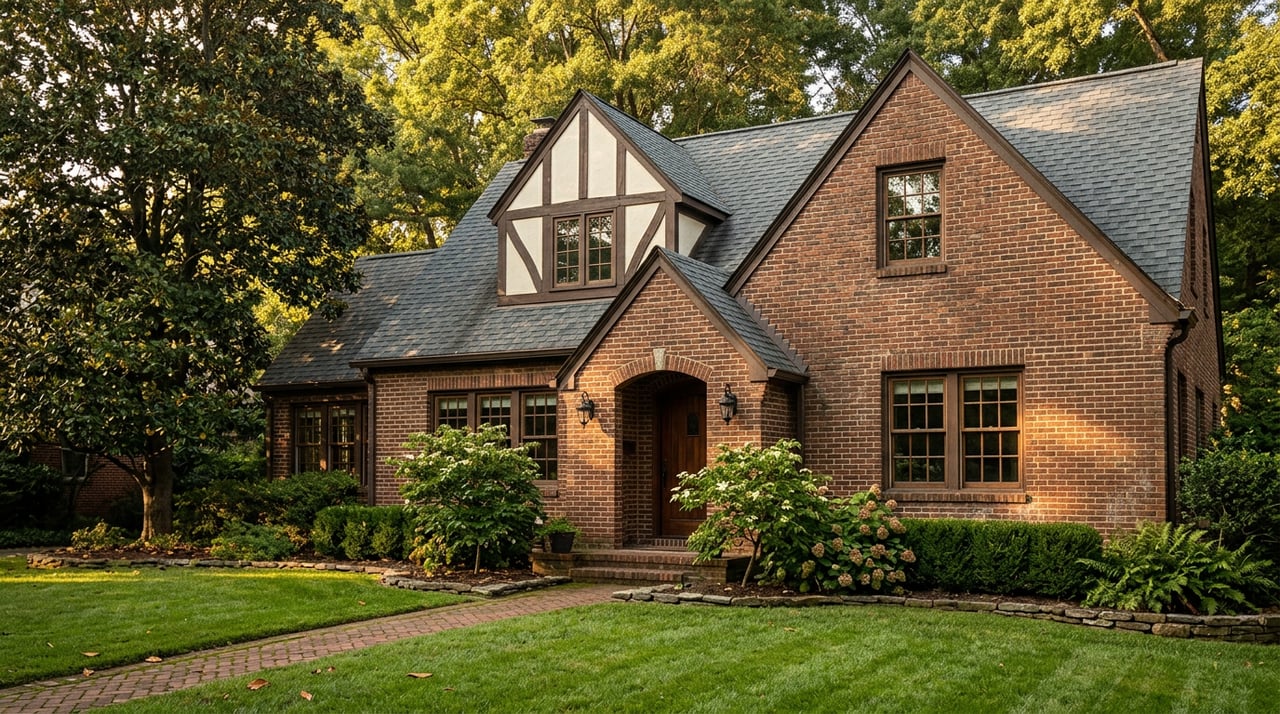
Sequoyah Hills sold at a median of $875,000 over the three months ending May 2026, according to Redfin, up 2.9 percent year over year, with homes taking 47 days to sell compared to 30 days the year before. This is the riverfront, prewar-architecture end of the market: English Tudors, Colonials, and cottages built mostly before 1960, walkable to Sequoyah Park along a bend in the Tennessee River.
Farragut carries a reported median near $475,000, tied to top-rated schools and a suburban feel, though new construction there is putting mild downward pressure on resale prices.
Hardin Valley sits at a reported median near $380,000 and is described as Knoxville's fastest-growing area, driven almost entirely by new construction rather than resale turnover.
West Knoxville, the largest geographic slice of the market, reports a median near $360,000 with mixed performance depending on the specific pocket.
Powell holds a reported median near $320,000, described as stable and popular with investors looking for straightforward family housing.
Fountain City spans a wide range, typically $200,000 to $400,000, reflecting an older housing stock where renovation upside varies block to block.
South Knoxville carries the lowest reported median of the group, around $275,000, and is described as gentrifying slowly with an urban proximity advantage. Part of that advantage is geographic: the area borders the Urban Wilderness trail network and the long-planned South Waterfront district. That advantage is about to get a lot more concrete.
The catalyst none of these medians have caught yet
On May 18, 2026, the Knoxville Community Development Corporation and the City of Knoxville announced a Request for Qualifications process to find a master developer for a 15-acre stretch of the South Knoxville waterfront, sitting directly across the Tennessee River from the University of Tennessee campus. The site includes six parcels and roughly 1,400 linear feet of riverfront, and it is tied to a planned $60 million pedestrian and bicycle bridge connecting South Knoxville directly to UT and downtown. KCDC's own project page describes it as one of the city's most significant remaining waterfront redevelopment opportunities, building on more than $61 million in public investment and $400 million in private investment already made along the South Waterfront since a 20-year vision plan was adopted in 2006. One recent estimate put the total project value at over $200 million.
The timeline matters for anyone reading this in early August 2026: RFQ submissions from development teams are due August 7, just two days from now, with a shortlist expected in September. None of the median-price figures cited above reflect this project, because none of the underlying sales data runs past the announcement. South Knoxville's $275,000 median is a pre-catalyst number. Whether that median moves, and by how much, is exactly the kind of thing worth tracking over the next two quarters rather than assuming from a single snapshot today.
What this means if you're weighing Knoxville against the mountains
Redfin's migration data adds a wrinkle worth knowing if you are relocating into East Tennessee. Over the three months ending December 2025, 53 percent of people searching for Knoxville homes on Redfin were also searching to leave the metro entirely, while only 47 percent were looking to stay within it. At the same time, nationally, buyers searching to move into Knoxville from outside metros were led by Los Angeles, followed by Chicago and Atlanta. Knoxville buyers who were looking to leave most often searched for San Francisco, followed by Nashville and Chattanooga.
Read together, that is not a market losing confidence. It is a market where long-time residents are pricing themselves against Nashville and Chattanooga, while newcomers from far more expensive coastal metros are still finding Knoxville's numbers, whichever version you use, comfortable by comparison. If you are relocating from a higher-cost market and comparing Knoxville to a lake home near Sevierville or a cabin in the Smokies, that context is useful. You are not competing against Knoxville's own residents so much as against other outside buyers making the same comparison you are.
FAQ
Which Knoxville price should I actually trust when comparing markets? Use a sold-price median over the most recent full quarter, not a listed-price snapshot from a single month, and confirm whether the figure covers the city, the county, or the wider metro. A three-month sold-price median for the specific neighborhood you're considering will tell you more than any city-wide average.
Is Knoxville a buyer's market or a seller's market right now? Depends where. Premium neighborhoods like Sequoyah Hills and Farragut show signs of cooling, with longer days on market and softer price growth. Growth corridors like Hardin Valley are still absorbing new construction at a steady pace. Neither of those is the same market as South Knoxville, where a major redevelopment announcement hasn't shown up in the sales data yet.
Should I buy in South Knoxville now because of the waterfront project? The RFQ process for a master developer is set to close August 7, 2026, and a shortlist isn't expected until September. There is no completed project, no confirmed timeline for construction, and no sales data yet that reflects the announcement. It is a real catalyst worth watching, not a number to price in today.
If you're trying to figure out which of these numbers actually applies to a property you're looking at, or what a fair asking price looks like for a home you're planning to sell, a home valuation grounded in the right comparables is a better starting point than any single median. Karah Mae Chancey works across Knoxville and the surrounding lake and mountain markets and can help you read the number that actually matters for your situation. Search Homes or reach out directly to talk through what you're seeing.